Top Signs It’s Time To Replace Your Cairns Smoke Alarms
Smoke alarms are one of the simplest and most important safety devices in any home. They provide crucial early warning in the event of a fire, giving you and your family valuable time to act. But like all electrical devices, smoke alarms don’t last forever. Over time, they can become less reliable, more prone to faults or no longer meet current safety standards.
If you’re living in Cairns, smoke alarm maintenance is especially important due to the region’s tropical climate. High humidity, heat and seasonal weather patterns can all affect how long alarms last and how well they perform. Knowing when to replace your alarms helps keep your home safe, compliant and equipped with the most up-to-date technology.
In this guide, we explore the top signs it’s time to replace your smoke alarms, the common issues homeowners report and how the local climate plays a role in wear and tear.

Why Cairns Homes Need Reliable Smoke Alarms
Cairns homes experience conditions that differ significantly from cooler or less humid parts of Australia. These conditions can speed up wear on electrical components, sensors and alarm casings.
Key climate factors that may influence smoke alarm performance include:
- High humidity: Excess moisture can affect internal sensors.
- Heat exposure: Roof cavities and top-floor ceilings can reach extreme temperatures.
- Tropical storms: Sudden weather changes may contribute to electrical fluctuations.
- Dust and mould: Common in humid climates and can affect sensors over time.
Because of these factors, staying on top of smoke alarm condition and age is essential.
1. Your Smoke Alarms Are Over 10 Years Old
The most important indicator that it’s time for replacement is age. Most smoke alarms have a recommended lifespan of 10 years. After this point, the sensors may become less responsive, even if the alarm still appears to function normally.
Over time, internal components:
- Lose sensitivity
- Collect dust
- Are exposed to moisture
- Experience natural wear
If your alarms were installed more than a decade ago, replacing them is strongly advised. Many homeowners are surprised to learn their smoke alarms are older than they thought, especially if they moved into a pre-owned home.
2. Frequent False Alarms
If your alarm goes off often for no clear reason — such as when you aren’t cooking, cleaning or generating steam — it may be a sign of sensor deterioration.
Frequent false alarms can be caused by:
- Ageing internal sensors
- Humidity affecting the chamber
- Dust or insect contamination
- Fading power supply
In Cairns’ tropical environment, this is especially common. Excess moisture can interfere with how sensors read particles in the air, causing alarms to trigger unexpectedly. If false alarms become a routine problem, it’s likely time to install new units.
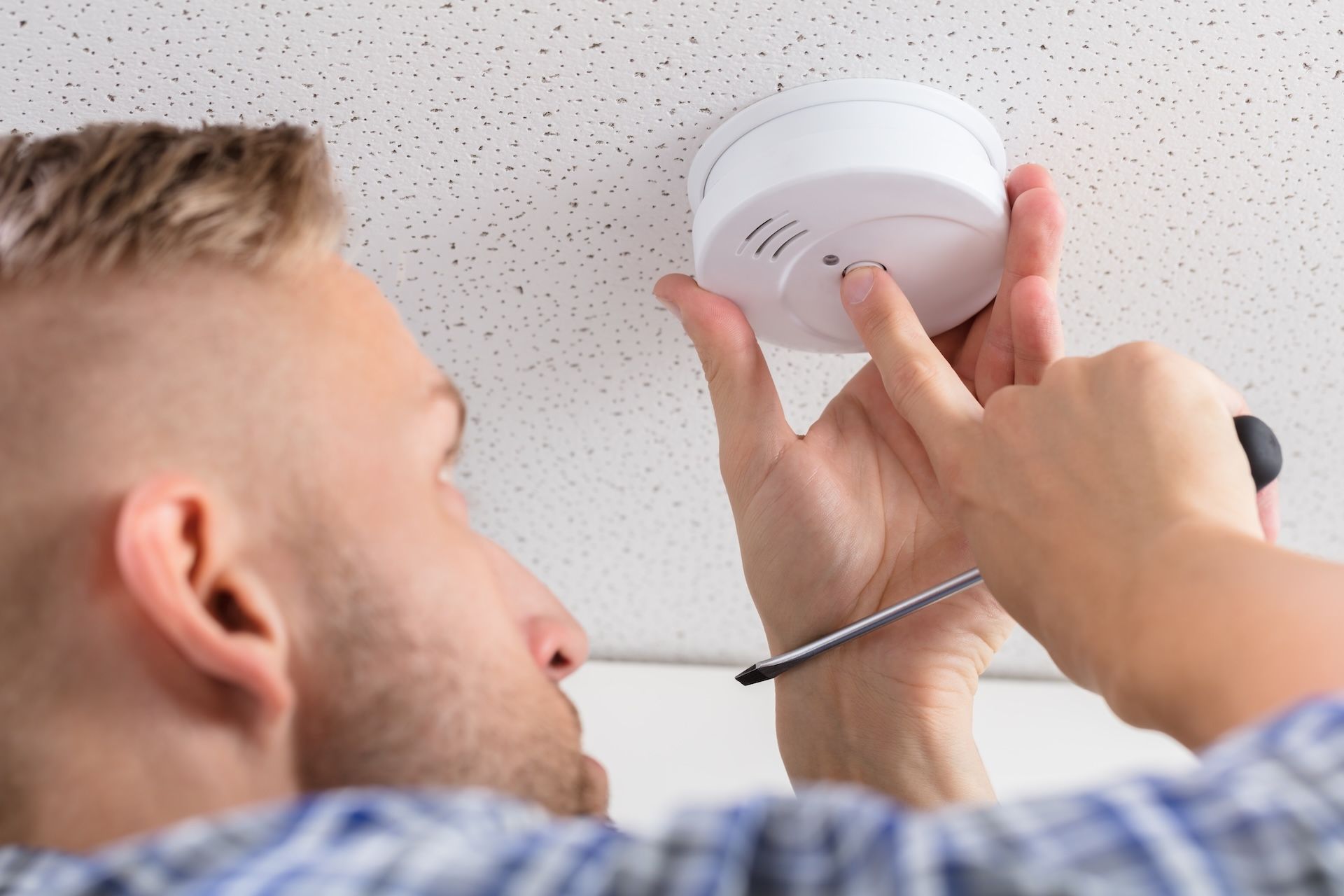
3. The Alarm Doesn’t Respond During Testing
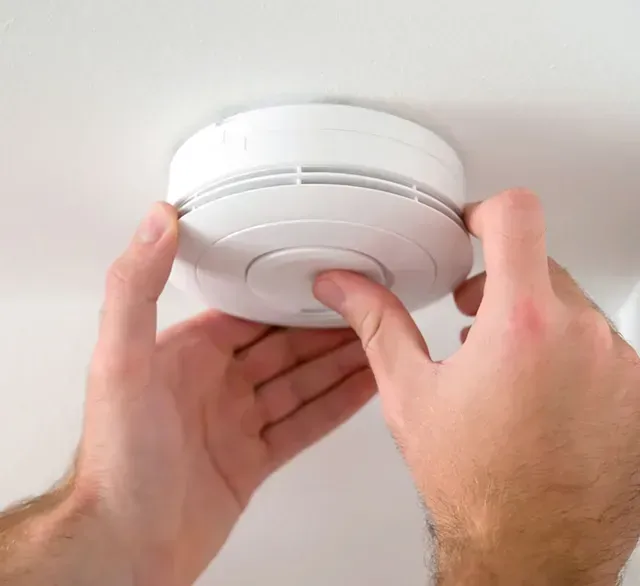
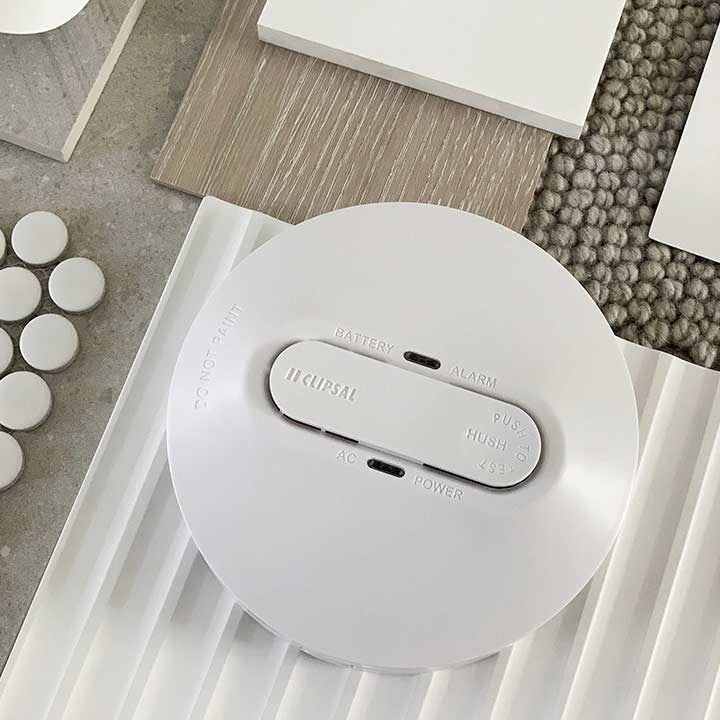
Regular testing is essential to ensure smoke alarms are functioning properly. When you press the test button, the alarm should produce a loud, consistent sound.
If you notice:
- A weak beep
- Inconsistent sound
- No sound at all
- Delayed response
… these are signs the alarm may no longer be reliable. Even if replacing the battery helps temporarily, a unit that doesn’t test properly may be nearing the end of its service life.
4. Chirping or Intermittent Beeping
A chirping noise often indicates a battery issue, but if the alarm continues to chirp even after a battery replacement, the problem may be internal. This can occur when:
- The alarm is reaching end of life
- Internal circuitry has deteriorated
- Moisture has damaged components
- The power connection is unstable
Intermittent beeping is one of the most frustrating symptoms for homeowners but also one of the clearest indicators that a new alarm is needed.
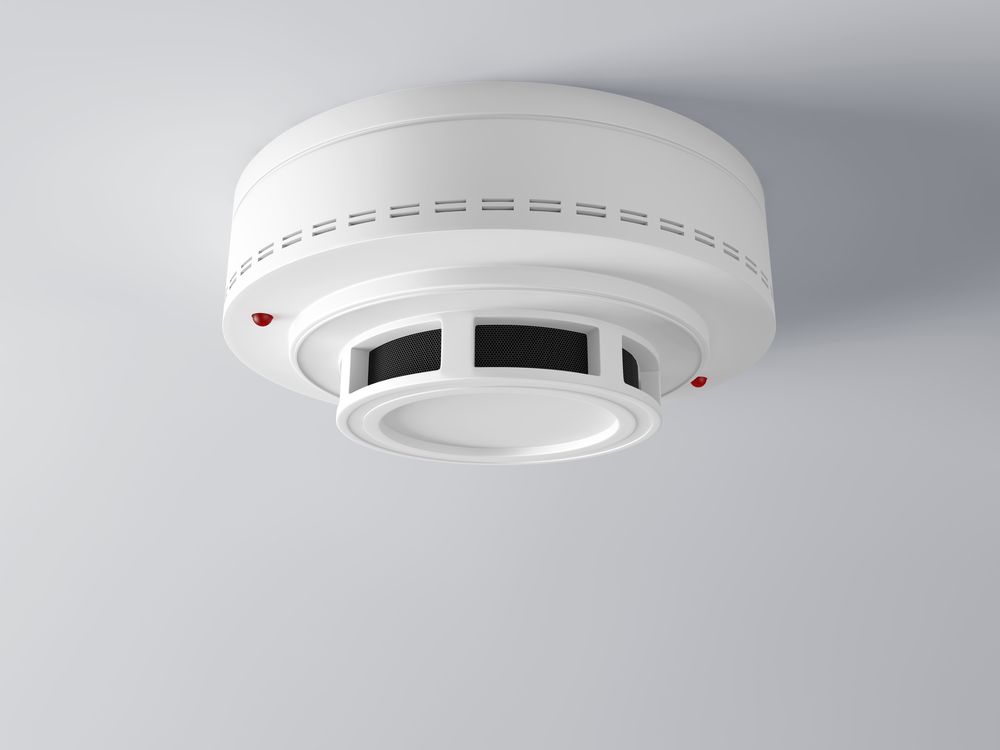
5. Visible Wear, Discolouration or Damage
Cairns humidity can cause white smoke alarm casings to yellow, warp or develop surface mould. While cosmetic changes don’t always mean the alarm has failed, they are signs of ongoing exposure to moisture and heat — both of which can reduce sensor accuracy.
Visible damage may include:
- Cracks in the casing
- Discolouration
- Rusting battery springs
- Insect residue inside the vents
Any physical deterioration suggests the alarm has been compromised and may not function reliably.
6. Your Home Renovation Changed Layout or Usage
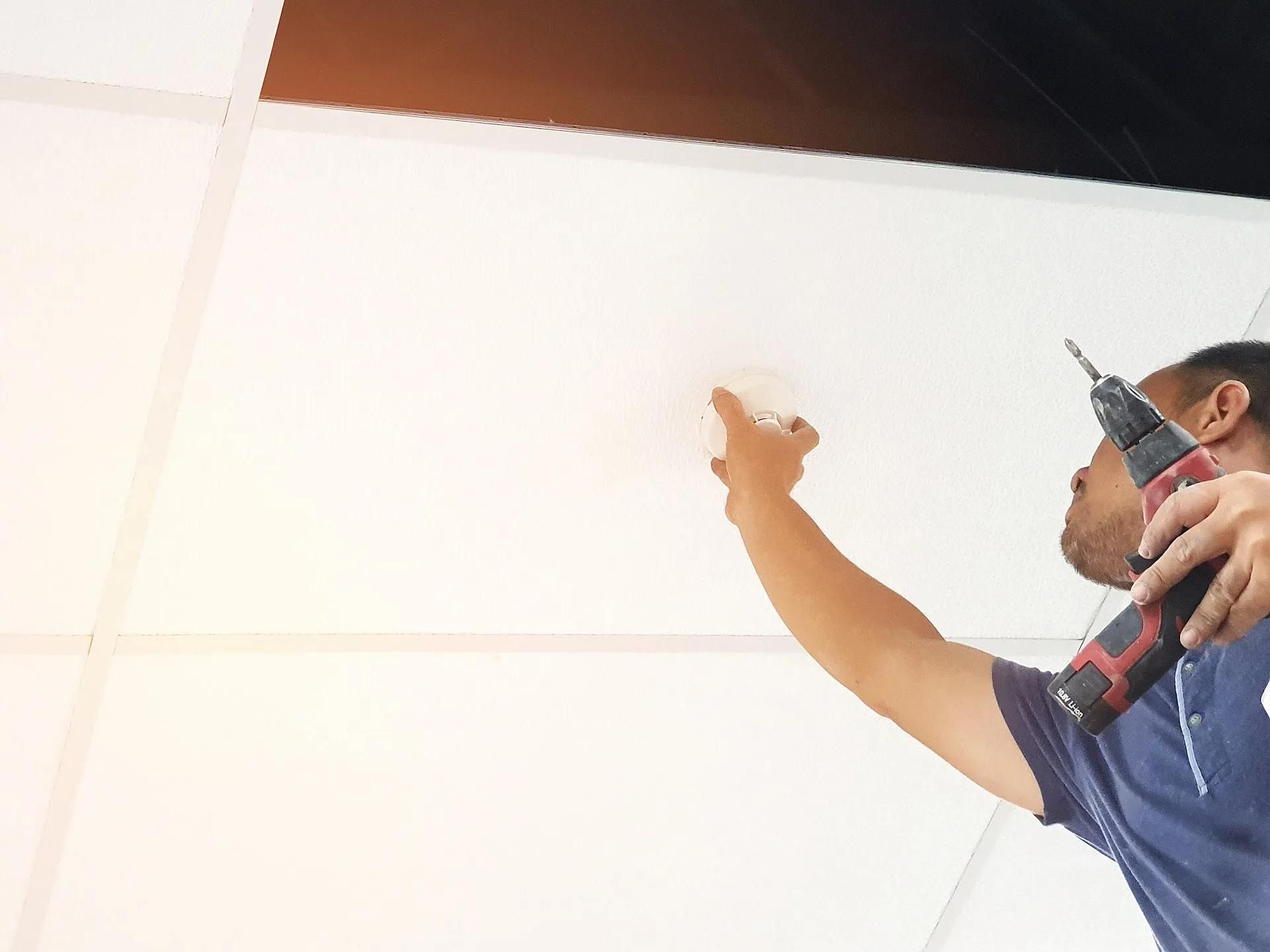
If you’ve recently renovated, extended or reconfigured your home, your existing smoke alarm setup may no longer provide adequate coverage. New bedrooms, hallways, second storeys or enclosed outdoor areas can require additional alarms to stay compliant.
In these cases, it’s often more efficient to upgrade to a full modern system rather than mix old and new alarms.
7. Your Alarms Don’t Meet Current Queensland Legislation
Queensland has introduced some of the most comprehensive smoke alarm laws in Australia. Many older alarms do not meet these updated requirements, which include:
- Photoelectric technology
- Interconnected alarms in certain areas
- Replacement of outdated ionisation alarms
If your alarms do not comply with these standards, replacing them keeps your home safer and aligned with current regulations.
8. Unresponsive or Outdated Alarm Technology
If your smoke alarms still rely on:
- Ionisation sensors
- Basic standalone units
- Replaceable 9-volt batteries
…it may be time for an upgrade. Modern photoelectric smoke alarms with interconnected capability provide faster detection for smouldering fires, which are more common in homes than fast-flame fires.
Older technology may not offer the same level of early detection or reliability.
How the Tropical Cairns Climate Shortens Smoke Alarm Lifespan
Unlike cooler climates, Cairns presents unique challenges for electronic safety devices. Even high-quality alarms can be impacted over time.
Humidity
Moisture particles can enter sensors, causing corrosion or reduced sensitivity.
Heat
Roof cavities and ceiling areas exposed to sunlight can reach extremely high temperatures, affecting alarm circuitry.
Mould
Humidity mixed with poor airflow can encourage mould build-up, which may interfere with sensor accuracy.
Insects
Small bugs seeking warmth can sometimes nest inside alarms, obstructing the sensor chamber.
Because of these regional factors, Cairns homeowners may find their alarms need replacing sooner than the 10-year guideline.
Why Replacing Smoke Alarms Is Important for Safety
Timely replacement supports:
- Early detection of smoke
- Clear and reliable alerting
- Reduced risk of alarm malfunction
- Better protection during nighttime fires
- Peace of mind for families and landlords
A working smoke alarm is one of the simplest and most important safety measures in any home.
How Often Should Cairns Homeowners Replace Smoke Alarms?
General recommendations include:
- Replace alarms every 10 years
- Replace sooner if faults appear
- Upgrade immediately if alarms are non-compliant
- Test monthly and clean alarms every 6 months
For homes near the ocean or in older buildings, more frequent checks may be beneficial.
Keep Your Home Safe With Smoke Alarms
We at FNQ Smoke Alarms understand how important reliable fire detection is for households across the Cairns region, especially with the humidity, heat and seasonal weather that can affect long-term alarm performance. Whether you're upgrading, replacing older units or addressing faults, our team can assist with the installation of compliant, modern smoke alarms in Cairns designed to suit local conditions. Visit our website to learn more or to get help assessing the condition of your existing alarms.