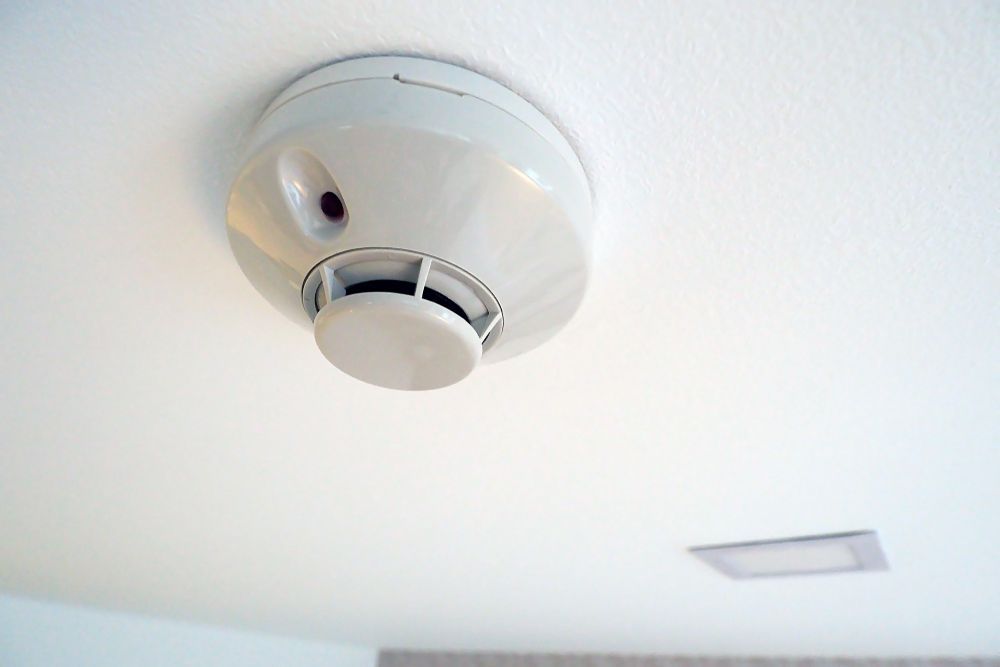
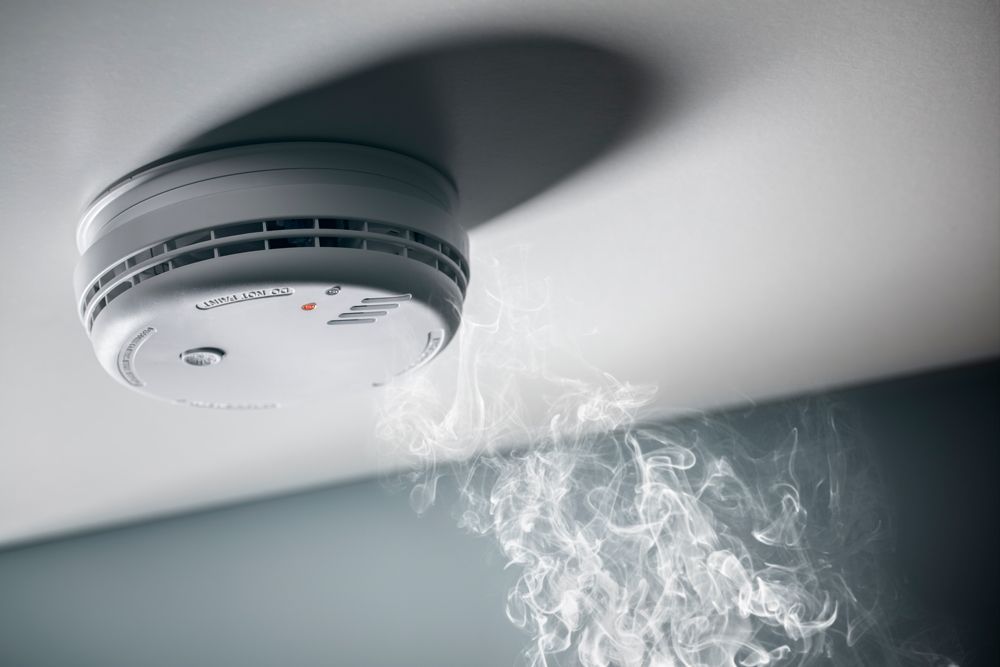
Why Every Cairns Home Needs Up-To-Date Smoke Alarms
Most people rarely think about their smoke alarms until they hear a low battery beep or a test button is pressed. Because smoke alarms sit quietly on ceilings, it’s easy to assume they’ll work when needed. The reality is that smoke alarms can degrade over time, even if they appear fine on the surface.
Fire safety relies on early warning. Smoke alarms in Carins are designed to alert occupants quickly so they have time to react. When alarms are outdated, poorly placed or not maintained, that early warning may not happen as expected.
Keeping smoke alarms current isn’t just about ticking a box. It’s about understanding how these devices work, how they age and how professional servicing helps keep homes prepared for unexpected situations.
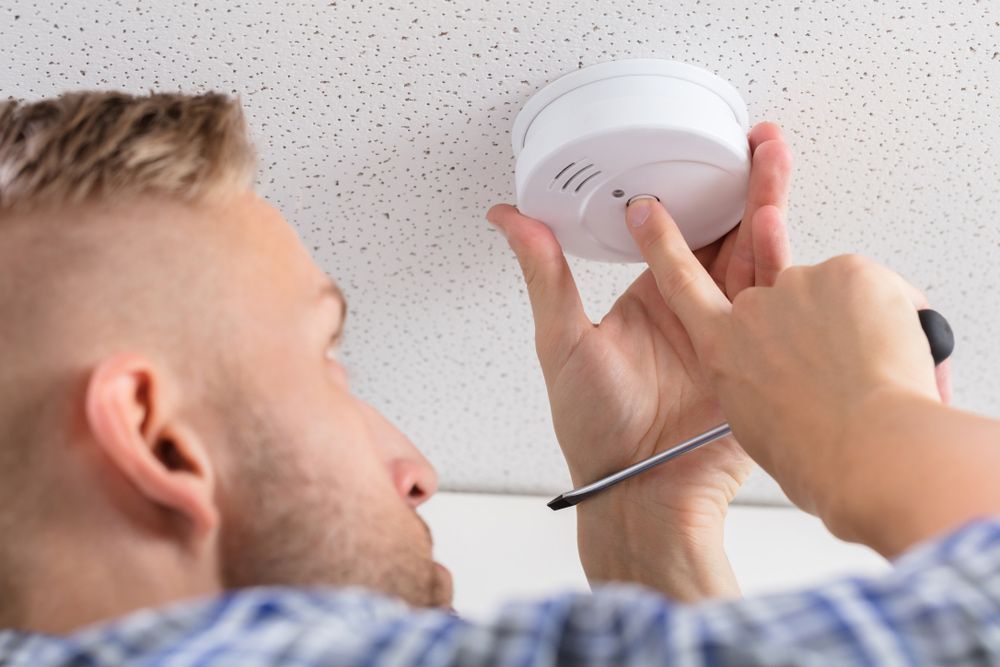
Smoke alarms only protect homes when they’re working as intended.
A smoke alarm’s purpose is simple, but its performance depends on several factors. Internal sensors, power supply and overall condition all influence whether it responds to smoke as designed. Even alarms that appear intact may not operate correctly if components have deteriorated.
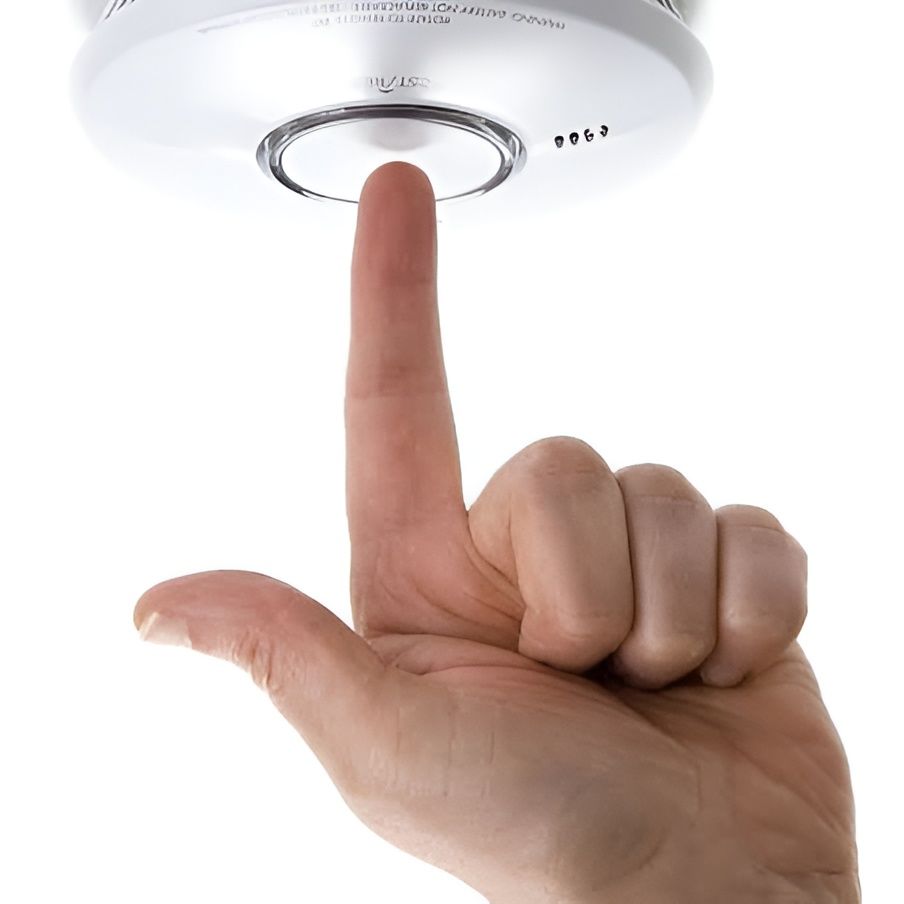
Homeowners often rely on the test button, but that only confirms the alarm can sound, not that it can detect smoke accurately. Professional inspections assess the full function of the device rather than just the audible alert.
Smoke alarm technicians check operation, condition and compliance to help identify faults early. This approach supports informed decisions about maintenance or replacement rather than relying on assumptions.
Outdated smoke alarms can fail quietly over time.
Smoke alarms are not designed to last indefinitely. Over time, sensors lose sensitivity and batteries become less reliable. These changes can occur without obvious signs.
Common age-related issues include:
- reduced sensor responsiveness
- sealed batteries nearing end of life
- outdated models no longer meeting current standards
- internal wear not visible from the outside
Replacing older alarms before they fail helps maintain consistent protection. A technician can identify when an alarm has reached the end of its service life and recommend appropriate updates. Staying ahead of these issues helps avoid relying on devices that may not respond when needed.
Placement matters just as much as the alarm itself.
Even a new smoke alarm may not perform properly if it’s installed in the wrong location. Placement affects how quickly smoke reaches the sensor and how effectively the alarm alerts occupants.
Correct positioning considers ceiling height, airflow and room use. Alarms installed too close to vents or dead air spaces may be slower to activate. Placement also varies between sleeping areas, hallways and living spaces.
A smoke alarm technician assesses layout and installs alarms in locations aligned with safety guidelines. Proper placement improves detection time and ensures alarms work together as part of a coordinated system.
Different alarm types suit different areas of the home.
Not all smoke alarms operate the same way. Different technologies are designed to detect smoke under different conditions, which is why selecting the right type matters.
Common options include:
- photoelectric alarms, often used in living and sleeping areas
- interconnected alarms that alert the whole home when one activates
- hardwired or sealed battery models depending on setup
A technician helps determine which alarm types suit each area of the home. This tailored approach avoids relying on a single solution for all spaces and supports a more responsive system overall.
Testing and maintenance are ongoing responsibilities, not one-off tasks.
Smoke alarms require regular attention to remain reliable. Dust, insects and general wear can interfere with sensors over time. Without maintenance, these issues may go unnoticed.
Routine servicing includes testing alarm response, checking power sources and cleaning sensors. Scheduled maintenance also provides an opportunity to confirm alarms still meet current requirements.
Engaging a technician for ongoing checks removes uncertainty and helps keep records up to date. This approach supports consistency and reduces the chance of discovering problems only after alarms fail to respond as expected.
Rental properties have additional smoke alarm obligations.
Smoke alarm responsibilities differ for rental properties, with specific requirements around compliance and documentation. These obligations apply before tenancies begin and during occupancy.
Landlords often need:
- compliant alarms installed in required locations
- documented testing before new leases
- ongoing maintenance during tenancies
- timely replacement of faulty units
Smoke alarm technicians support property owners by managing these checks and records. This helps landlords meet obligations while providing tenants with properly maintained alarms.
Professional servicing helps identify issues homeowners often miss.
Many smoke alarm faults aren’t obvious during casual checks. Internal issues, incorrect wiring or outdated components can go unnoticed without specialist equipment and knowledge.
During inspections, technicians may find alarms that sound during testing but don’t detect smoke efficiently. They may also identify placement issues or incompatibility between interconnected units.
Professional servicing provides a more complete picture of alarm performance. It supports informed decisions about maintenance, replacement or system upgrades based on actual condition rather than guesswork.
Up-to-date smoke alarms support safer everyday living.
Modern smoke alarms are designed to integrate more seamlessly into homes while meeting current safety expectations. Up-to-date systems support clearer alerts and coordinated responses throughout the home.
Benefits of maintaining current alarms include:
- consistent detection across all areas
- reduced nuisance alarms from outdated models
- clearer maintenance schedules
- alignment with current safety requirements
Keeping smoke alarms current is part of maintaining a safe living environment. Regular checks and timely updates support preparedness without adding complexity to daily life.
Homes in Cairns face environmental conditions that can affect smoke alarm performance over time, making regular checks especially important. Here at FNQ Smoke Alarms & Maintenance, we provide smoke alarm inspections, replacements, installations and ongoing maintenance to help homeowners and landlords stay up to date. Visit https://www.fnqsmokealarms.com/ or get in touch to discuss smoke alarms near you and explore the right setup for your property.