Where Should Smoke Alarms Be Installed in a Cairns Home?
Most homeowners know they need smoke alarms. Far fewer know exactly where those alarms should go, and the difference between getting it right and getting it wrong can be significant. Regulations have shifted over recent years, and what was considered adequate a decade ago may no longer meet current requirements. For anyone seeking installation advice for Cairns smoke alarms, the placement rules are worth understanding properly rather than guessing at. This post walks through the key areas of a home that require coverage, explains the reasoning behind the placement requirements and addresses common situations that trip homeowners up, from open-plan living to multi-storey layouts and everything in between.
Every Bedroom Needs Its Own Alarm
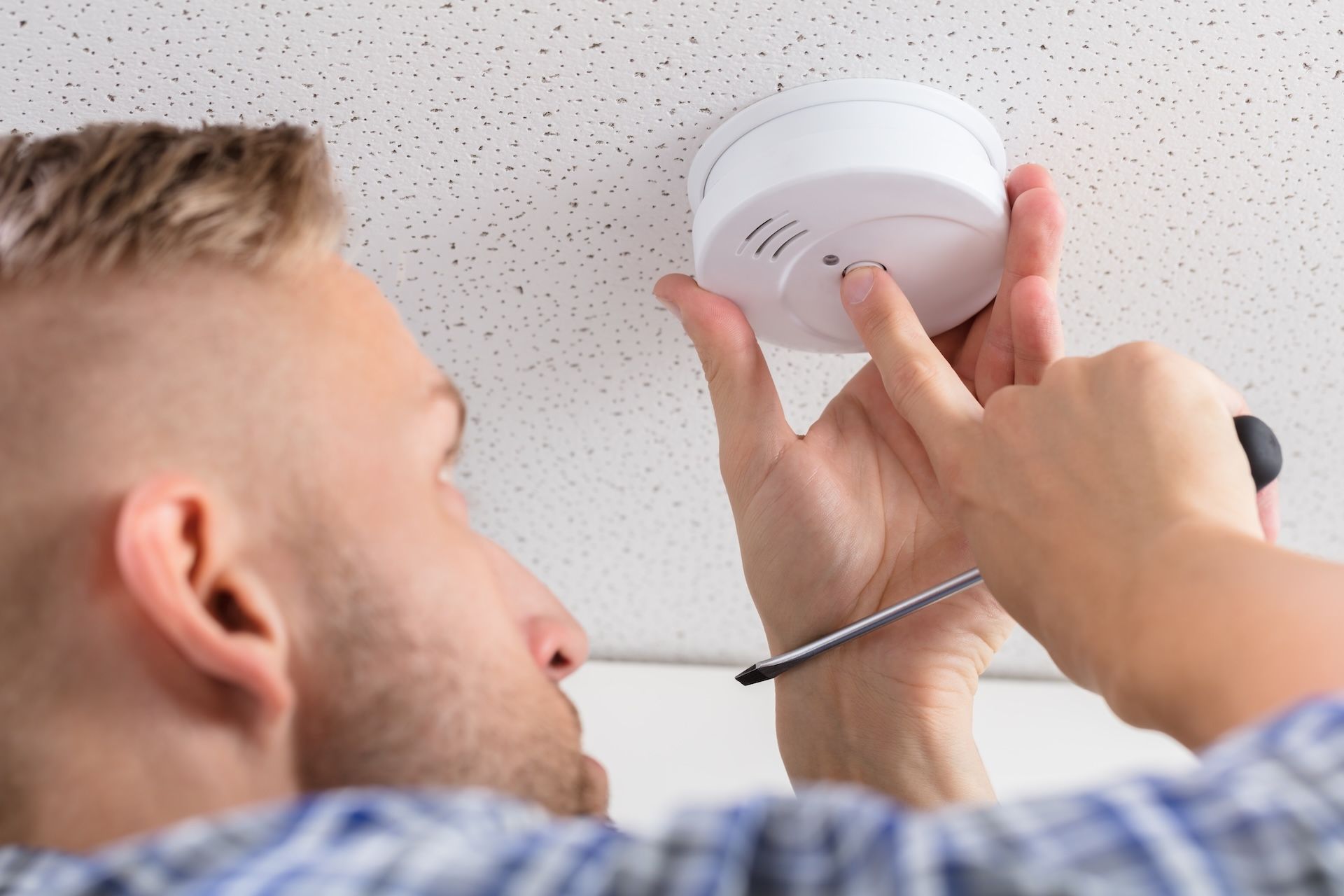
Bedrooms are the single most important location for smoke alarm placement, and the reasoning is straightforward. People are most vulnerable when they are asleep, and a fire that starts elsewhere in the home needs to be detected quickly enough to allow safe evacuation before smoke reaches sleeping areas. Placing an alarm inside each bedroom, rather than just in the hallway outside, gives occupants the earliest possible warning.
The requirements for bedroom placement are clear:
- One interconnected alarm inside every bedroom, not just in the hallway
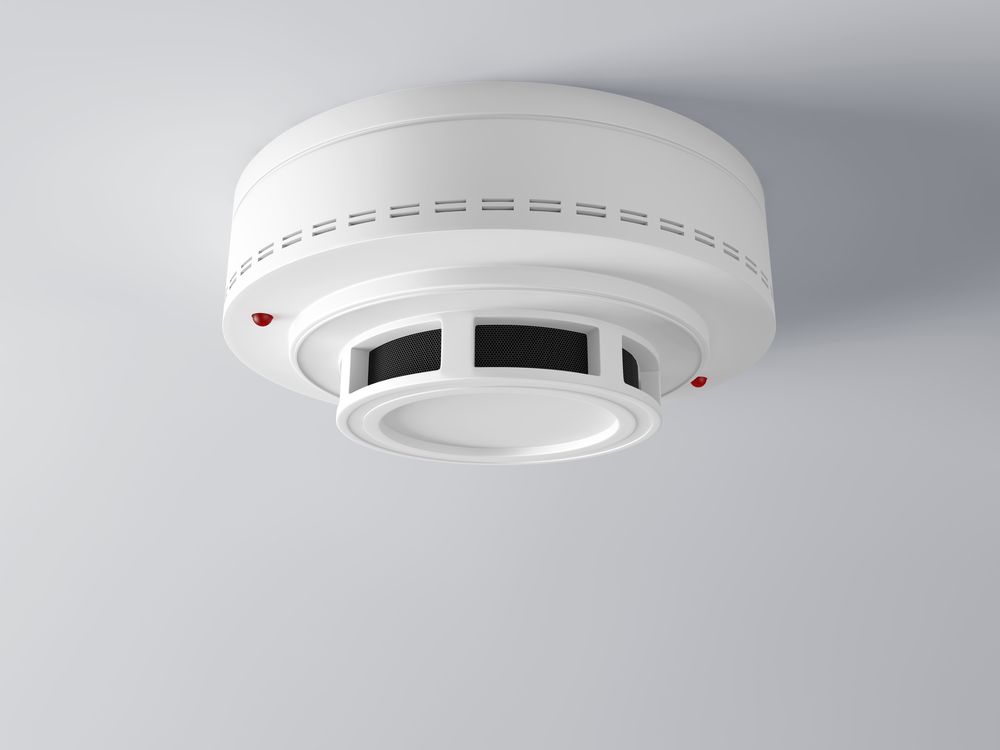
- Alarms should be positioned on the ceiling, ideally near the centre of the room
- Wall mounting is permitted if the ceiling is unsuitable, but placement rules still apply
- Interconnection means all alarms sound simultaneously when one is triggered
Hallways and Connecting Pathways Matter More Than People Realise
Hallways are the arteries of a home during an emergency, and smoke travelling through them can cut off escape routes quickly. An alarm positioned in each hallway that connects bedrooms to the rest of the house ensures that rising smoke is detected before it compromises the path out. In homes with a single hallway, one well-placed alarm can serve the entire corridor.
Placement considerations for hallways include:
- Position alarms between sleeping areas and the rest of the dwelling
- In longer hallways, more than one alarm may be needed to provide adequate coverage
- Avoid placing alarms too close to doorways where airflow may delay smoke reaching the sensor
- Interconnection with bedroom alarms is essential so occupants are warned simultaneously
Open-Plan Living Areas Require Careful Positioning
Open-plan layouts have become common in modern homes, and they present a challenge for the placement of smoke alarms in Cairns. Without walls to direct airflow, smoke can disperse over a large area before concentrating enough to trigger a detector. In these spaces, positioning an alarm on the ceiling toward the centre of the living zone, rather than near the edges, improves detection time considerably.
Key points for open-plan spaces include:
- Ceiling-mounted alarms should be placed away from air conditioning vents and ceiling fans
- Avoid positioning alarms directly above cooking surfaces to reduce nuisance activations
- Large open-plan areas may require more than one alarm to meet coverage requirements
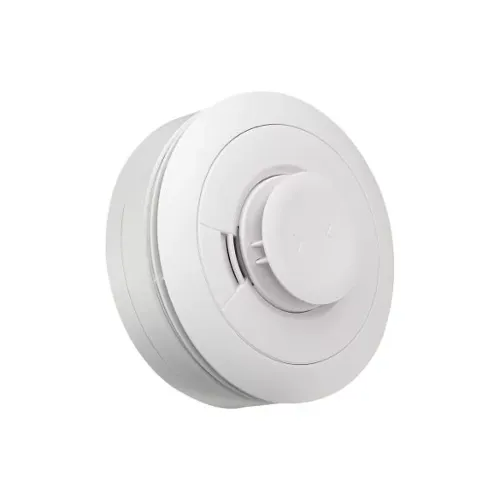
- Photoelectric alarms are generally recommended for living areas due to their sensitivity to slow-burning fires
Storeys and Stairwells: What Multi-Level Homes Require
Multi-storey homes need smoke alarms on every level, not just where people sleep. Stairwells are a particular concern because they act as a chimney, drawing smoke upward rapidly and compromising upper-level escape routes. An alarm at the top of each stairwell is standard practice, and smoke alarms in Cairns homes with multiple storeys must meet the same interconnection requirements as single-level dwellings.
Multi-storey placement rules to follow:
- At least one alarm is required on every storey of the home, including basements if habitable
- Position an alarm at the top of each internal stairwell
- Ensure all alarms across every level are interconnected so the entire home is alerted at once
- Upper-storey alarms are particularly important given how quickly smoke rises
Where Not to Install Smoke Alarms: Avoiding False Triggers
Knowing where not to place alarms is just as valuable as knowing where they belong. Certain locations consistently cause nuisance activations, which leads some homeowners to disable or remove alarms entirely, creating a genuine safety risk. Steam, cooking fumes and humidity can all trigger photoelectric alarms if they are poorly positioned.
Locations to avoid when installing smoke alarms:
- Directly above or within three metres of a cooking appliance where possible
- Bathrooms, laundries and other areas prone to steam and high humidity
- Near air conditioning outlets, ceiling fans or windows where airflow disrupts smoke detection
- Garages, unless a specific heat alarm designed for that environment is used
The Interconnection Requirement Explained
Interconnection is one of the most important aspects of modern smoke alarm compliance, and one of the most misunderstood. When alarms are interconnected, a trigger in one part of the home activates every alarm in the building simultaneously. This is critical in larger homes where a bedroom occupant may not hear an alarm sounding in the kitchen or living area.
What homeowners need to understand about interconnection:
- Interconnection can be achieved through hardwired systems or wireless radio-frequency technology
- All new and substantially renovated homes are required to have interconnected alarms under current regulations
- Older homes on a sale or lease trigger are also required to be upgraded to interconnected photoelectric alarms
- A smoke alarm installation professional can assess the most practical interconnection solution for any home layout
Rental Properties and Landlord Obligations
Rental properties carry specific compliance obligations, and landlords who are unsure of the requirements are exposed to real risk. Queensland legislation has progressively tightened smoke alarm standards, and the deadlines for compliance have now passed for many property categories. Properties that are sold or leased must meet the current standard, which includes photoelectric alarms in the required locations with full interconnection.
Key obligations for rental property owners:
- All rental properties must have interconnected photoelectric smoke alarms installed in the required locations
- Alarms must be tested and operational at the start of each new tenancy
- Tenants are responsible for testing alarms regularly and reporting faults, but installation compliance sits with the landlord
- Non-compliant properties can result in penalties and complications during sale or lease renewal
How Often Should Alarms Be Tested and Replaced?
Correct placement is only part of the equation. Cairns smoke alarms that have been installed correctly but left untested for years offer far less protection than those that are maintained properly. Smoke alarm sensors degrade over time, and most manufacturers recommend full replacement every ten years regardless of whether the unit appears to be functioning.
A practical maintenance schedule looks like this:
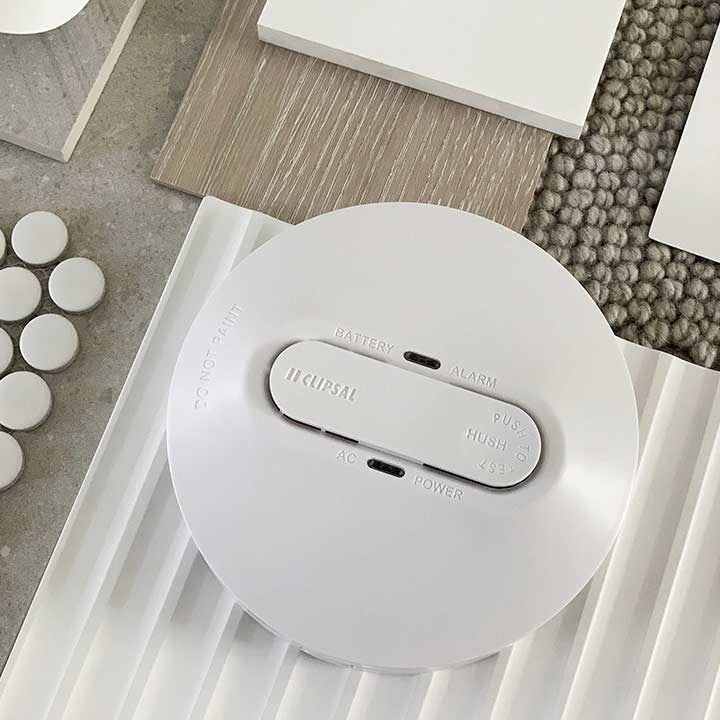
- Test every alarm monthly by pressing the test button and confirming it sounds
- Replace batteries annually in battery-operated units, or as prompted by low-battery warnings
- Clean alarms gently every six months to remove dust and insects that can affect sensor performance
- Replace the entire unit at the ten-year mark, or earlier if the alarm fails to respond during testing
Book a Compliance Check with Your Local Smoke Alarm Specialists
We at FNQ Smoke Alarms work with homeowners, landlords and property managers across Cairns and Far North Queensland to ensure every home meets the current compliance requirements. Cairns homes face specific environmental conditions, including high humidity and heat, that can affect alarm performance and placement decisions.
If you’ve been searching for ‘smoke alarms near me,’ our team can assess your property and handle everything from placement through to interconnection. Whether you need a full installation, an upgrade from older alarms or a compliance check ahead of a sale or lease, call us or book online to arrange a time that suits you.