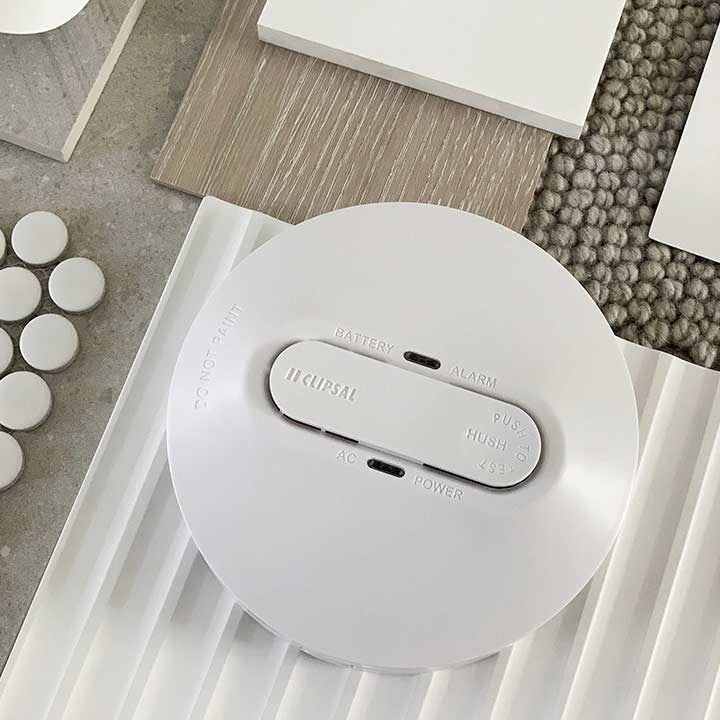
Smoke Alarm Compliance For Cairns Renovations And Extensions
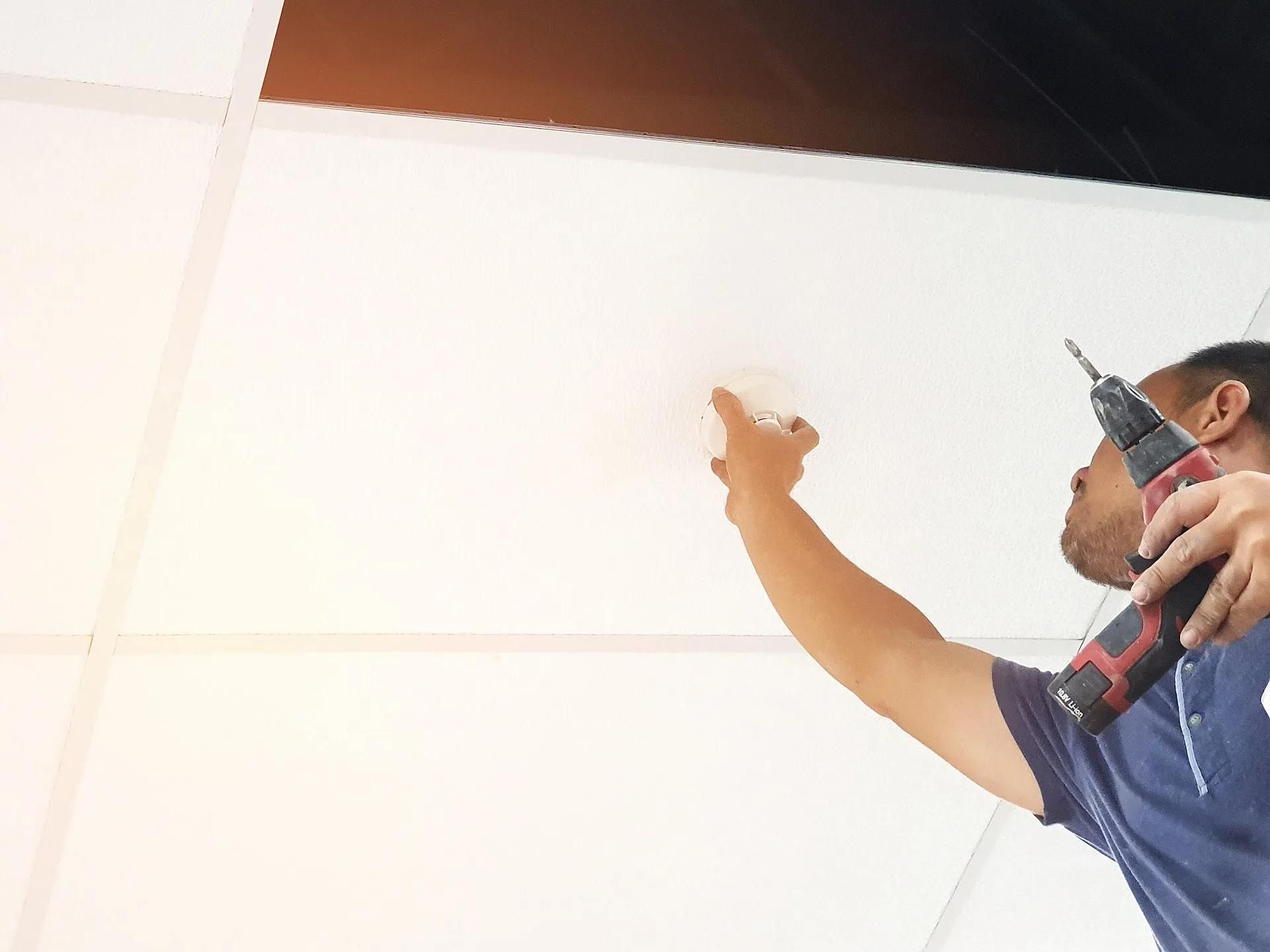
A kitchen extension, an extra bedroom or a major interior renovation can change your home in all the right ways. It can also trigger obligations around smoke alarm compliance that many Cairns homeowners and builders do not realise exist until the project is well underway.
Cairns smoke alarms compliance requirements have been progressively updated under Queensland legislation, and renovation work is one of the clearest triggers for needing to upgrade or relocate a property's alarm system. This post covers what the rules require, what commonly goes wrong and how to get the compliance side sorted before it creates a problem at handover or certificate stage.
Why Renovations and Extensions Trigger New Smoke Alarm Rules
Queensland's smoke alarm legislation does not just apply to new builds or properties being sold. Certain renovation and extension projects trigger the requirement to upgrade a home's smoke alarm system to meet the current standard, even if the existing alarms were compliant when first installed.
The trigger relates to the nature and scale of the work. A renovation classified as a building approval under the Queensland Development Code brings the existing dwelling into scope for compliance assessment, not just the new or altered section. This means a homeowner who extends their home or carries out significant structural work may find their entire property is assessed against current smoke alarm requirements as part of the final inspection, not just the area being worked on.
For Cairns homeowners, understanding this connection early in the planning process means the compliance work can be integrated into the renovation schedule rather than discovered as an outstanding item at the end.
What Queensland Legislation Requires for Renovated Homes
The relevant framework in Queensland is the Building Act 1975 and the associated Building Regulation 2021, which specifies where smoke alarms must be placed, what type of alarm is required and how alarms must be connected throughout the dwelling.
For renovated homes that trigger the upgrade requirement, the legislation requires:
- Photoelectric smoke alarms (not ionisation) throughout the dwelling
- Interconnection of all alarms so that when one activates, all sound simultaneously
- Alarms installed in each bedroom of the dwelling
- Alarms in hallways that connect bedrooms to the rest of the home
- An alarm on each storey of the dwelling, including storeys without bedrooms
- Hard-wired alarms with a battery backup in properties connected to 240V power, or 10-year non-removable battery alarms where hardwiring is not practical
Building or renovating is the ideal time to plan compliant Cairns smoke alarms into your new layout from the start, particularly when the walls are open and running new wiring is straightforward.
Photoelectric, Interconnected Alarms Explained
The legislation's requirement for photoelectric alarms reflects a genuine performance difference between sensor types. Photoelectric alarms detect the products of slow-smouldering fires, the type most likely to develop while occupants are asleep, more reliably than the older ionisation technology. Ionisation alarms perform better on fast-flaming fires but are slower to respond to the smouldering fires that cause most residential fire fatalities.
Interconnection addresses the coverage problem in multi-room dwellings. An alarm that sounds in the kitchen when someone is asleep at the opposite end of the house may not wake the occupants in time. When all alarms are interconnected, every alarm in the home sounds simultaneously regardless of where the fire is detected, giving occupants maximum warning time.
In a renovation context, interconnection may require new wiring between alarm locations, which is best planned during the construction phase rather than retrofitted after walls are closed.
Common Compliance Mistakes Made During a Cairns Renovation
Several recurring errors come up in renovation projects that otherwise meet the building code requirements in every other respect.
Failing to upgrade existing alarms when the renovation triggers the requirement.
A builder who focuses on completing the approved works and assumes the existing alarms are sufficient may leave the homeowner with a non-compliant system. If the project triggers the upgrade requirement, the entire dwelling needs to meet the current standard.
Installing the wrong alarm type.
Ionisation alarms are still available in hardware stores and are still sometimes installed by people who are not aware of the photoelectric requirement for residential properties in Queensland. The alarm type is specified in the legislation and must be confirmed before installation.
Missing a required location.
The bedroom-by-bedroom requirement means that an extension adding a new bedroom automatically adds a new required alarm location. A hallway added as part of a renovation may also require coverage. The new layout needs to be assessed against the placement requirements, not just the original floor plan.
Relying on battery-only alarms where hardwiring is required.
In a property with 240V power, the compliance standard requires hard-wired alarms with battery backup. A battery-only alarm does not meet this requirement regardless of its sensor type.
When to Book a Smoke Alarm Upgrade Consultation
The optimal time to address smoke alarm compliance is during the design and approval stage of the renovation, before construction begins. At this point, the alarm layout can be incorporated into the plans, any required wiring can be included in the electrical scope, and the cost is absorbed into the broader project budget without the premium that comes from retrofitting.
The second-best time is during construction, while walls are open and access to ceiling spaces is straightforward. The worst time to discover a compliance gap is at the point of final inspection or certificate of occupancy, when addressing it may delay handover and add cost.
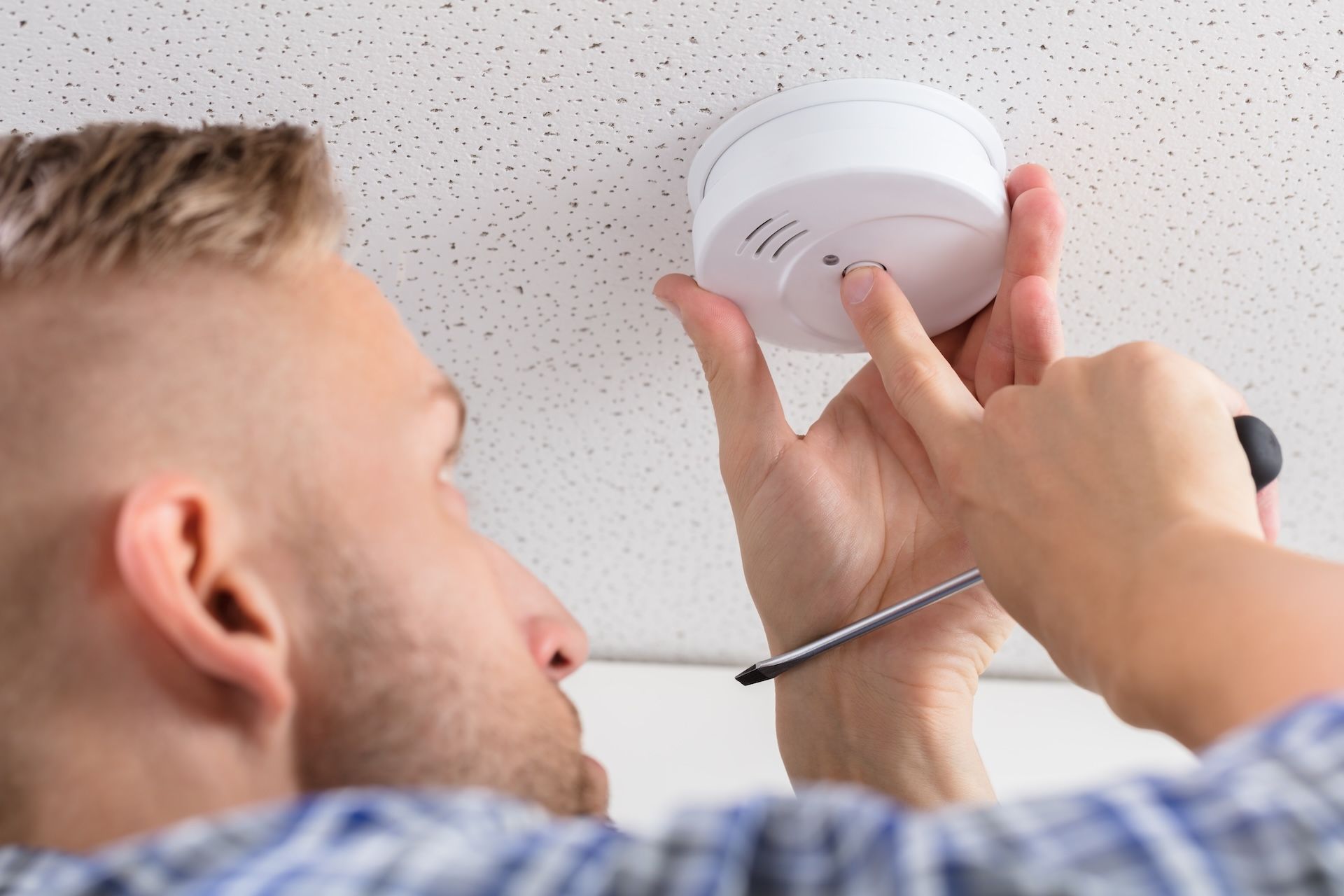
Once your renovation is complete, a compliance inspection confirms your smoke alarms in Cairns installation meets current legislation and provides a documented record of the compliant system.
What Happens If You Skip Compliance During a Renovation
Non-compliance with smoke alarm legislation in Queensland is not simply a technicality. A dwelling that does not meet the required standard creates both a safety risk and a legal exposure for the owner.
At the practical level, a non-compliant smoke alarm system may prevent the issue of a final certificate at the end of the renovation, which affects the owner's ability to occupy, sell or lease the property. For renovations on rental properties, non-compliance creates additional exposure under tenancy legislation.
If your renovation involves a rental property, our guide on legal placement rules for landlords and tenants covers what is required under that specific framework.
Beyond the certification issue, a smoke alarm system that does not meet the current standard may also affect the outcome of an insurance claim arising from a fire at the property.
Frequently Asked Questions
Does a minor renovation trigger the smoke alarm upgrade requirement?
Not always. The trigger depends on how the work is classified under the building approval framework. Cosmetic work that does not require a building approval is unlikely to trigger the upgrade requirement. Work that requires council approval and involves structural or electrical components is more likely to bring the property into scope for compliance assessment. A smoke alarm technician can advise based on the nature and scale of your project.
Can I upgrade the alarms myself?
The smoke alarm installation itself can in some cases be done by the homeowner. However, the wiring of hard-wired alarms must be carried out by a licensed electrician. Given the compliance requirements and the safety implications, having the full installation carried out by a qualified smoke alarm technician is the most reliable way to ensure the system meets the legislative standard and can be documented accordingly.
How long does a smoke alarm upgrade take on a renovation project?
For most residential projects, a compliant smoke alarm installation across an existing dwelling takes a few hours. The timing depends on the number of locations, the accessibility of the ceiling space and whether new wiring is required. Projects in which the walls are already open as part of the renovation are typically faster and less disruptive than retrofits into a fully finished home.
Book Your Renovation Compliance Consultation
We at
FNQ Smoke Alarms and Maintenance work with Cairns homeowners, builders and renovation contractors to ensure smoke alarm compliance is integrated into the project at the right stage. If you are searching for
smoke alarms near me to fit into your renovation plans, our technicians can assess the trigger requirements for your specific project, advise on the required alarm layout and carry out the installation to meet Queensland legislation.
Get in touch to arrange a consultation before your renovation reaches the stage where compliance becomes an issue.